How to Calculate Food & Beverage COGS Correctly (Stop Losing Money in 2026)
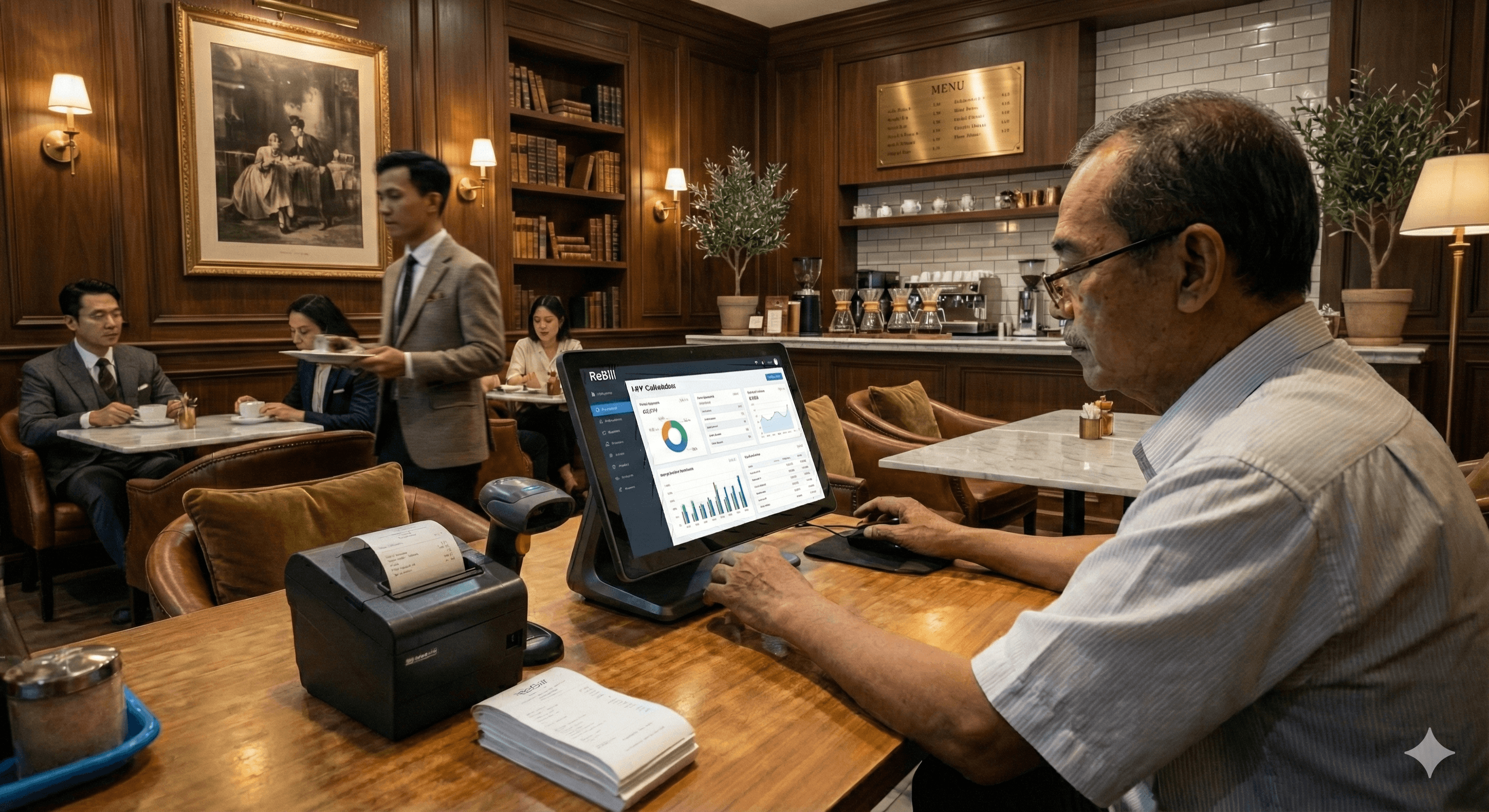
*Read Also: Cashier Application for Coffee Shop Businesses 2026 — Including Cloud POS & QRIS Trends*
The food and beverage business looks simple on the surface: strong sales, busy cashiers, and money constantly flowing. However, behind that appearance, many culinary business owners don’t realize that their profits are slowly being eroded. Not because of a lack of customers, but because of incorrect production cost calculations.
This is where understanding Cost of Goods Sold (COGS) becomes crucial. COGS is not just a number on paper—it is the main foundation for determining selling prices, profit margins, and the sustainability of your culinary business. Without proper COGS calculation, high revenue can actually become a trap that leads your business toward losses.
This article will discuss the correct formula for calculating food & beverage COGS, complete with real examples, common mistakes, and modern solutions to keep your F&B business healthy and profitable in 2026.
---
Introduction: The “Feeling Profitable” Trap
Have you ever felt that your café was crowded, the line was long, but at the end of the month your cash was running thin? Be careful—you might be making mistakes in analyzing your F&B business. Many beginner entrepreneurs focus only on revenue, whereas the true lifeline of a business lies in Cost of Goods Sold (COGS).
Without understanding how to calculate COGS correctly, you are like driving a car with your eyes closed. You don’t know whether your raw material costs are covered—or whether you are actually “burning money” with every transaction.
In this article, we will thoroughly break down the food and beverage COGS formula, and how the best cashier applications in the modern era can save your business from fatal losses.
---
What Is COGS and Why Is It Vital?
*Read Also: Affordable Cashier Application 2026, Budget Solution with Complete Features from ReBill POS!*
Simply put, Food Cost is the total expense incurred to produce one menu portion (directly related to ingredients). This is the foundation before you move on to determining the selling price of food.
In global accounting terms, this is known as COGS (Cost of Goods Sold). If you do not calculate this precisely, it is impossible to know your true gross margin in the culinary business.
For trendy beverage businesses, for example, beverage COGS may seem small (just water and powder), but if not calculated in detail—including waste—your profits can slowly disappear.
---
Formula for Calculating Food & Beverage COGS
Now let’s get into the basic math of calculating your business capital. The basic formula is:
COGS per Portion = Total Raw Material Cost / Number of Portions Produced
Case Study: Palm Sugar Milk Coffee
Let’s say you want to calculate the Food Cost per portion for your signature menu item:
- Espresso (18g): Rp 3,000
- UHT Milk (150ml): Rp 2,500
- Palm Sugar (20ml): Rp 1,000
- Cup + Straw + Ice Cubes: Rp 1,500
Total COGS (Cost): Rp 8,000 per cup.
After knowing this number, we can then talk about the profit margin formula or sales profit formula. If you want a 50% gross profit, then the minimum selling price per unit should be Rp 16,000.
However, this is only on-paper calculation. In reality? There are restaurant overhead costs (electricity, rent), employee salaries, and how to calculate food BEP (Break Even Point) that must be considered in order to recover capital quickly.
---
The Classic Problem: The Danger of Manual Calculations
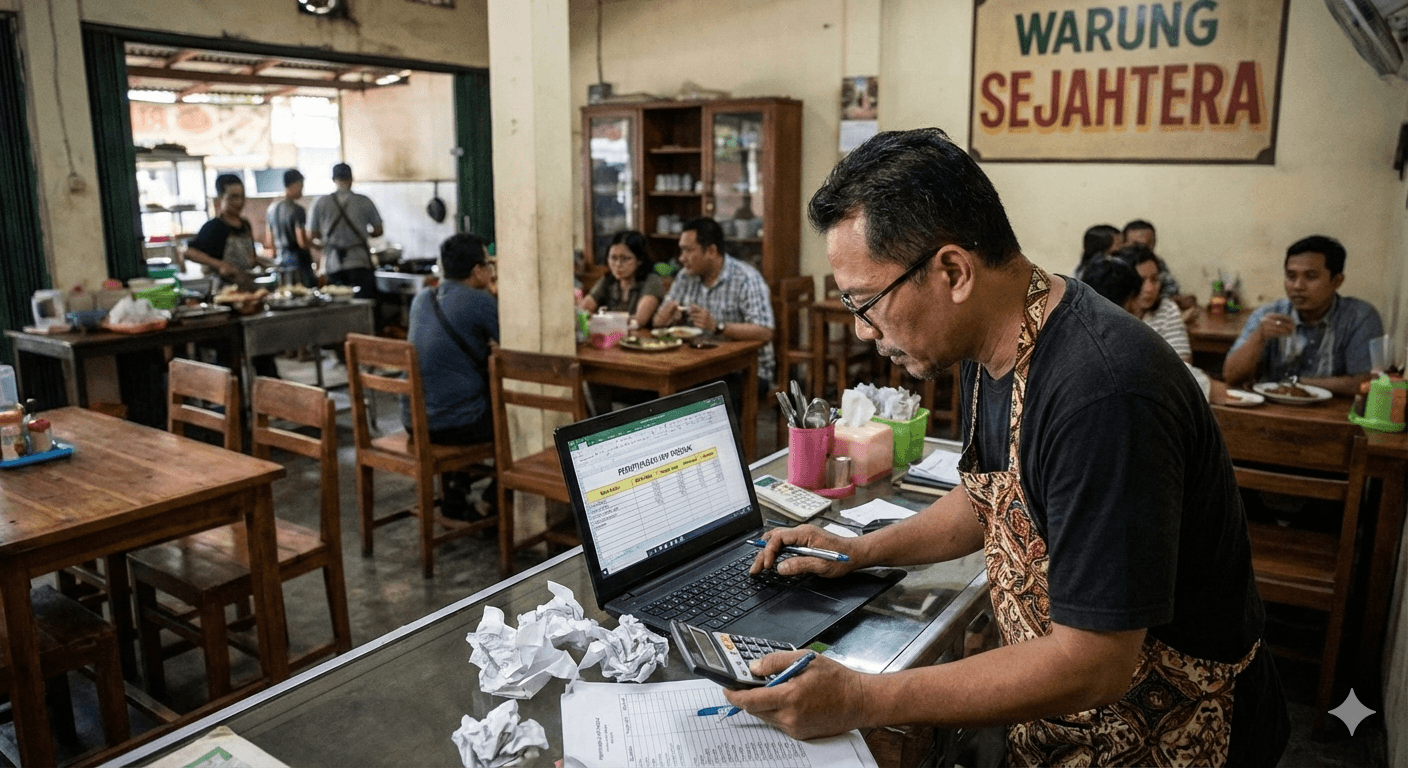
*Read Also: Digital Inventory Management for Restaurants & Coffee Shops — Save Costs Up to 30%*
Calculating one menu item may be easy. But what if you have 50 menu items? What if egg prices increase today?
The biggest problem for manual businesses is the undetected gap between revenue and profit because of:
Human Error: Wrong Excel formulas.
- Chaotic Stock: Raw material management not synchronized with sales.
- Failure to Update: Market prices increase, but selling prices remain unchanged.
Do you have time every night to create daily inventory reports and manually record stock in and out in a notebook?
---
Warehouse Nightmare
Besides money, the main enemy in F&B is inventory. Without a digital stock card, you will struggle to implement the First In First Out (FIFO) system—older goods spoil because they are buried under new stock.
Many owners become frustrated looking for a quick stock opname (physical inventory check) solution because mysterious stock discrepancies often occur. Was it stolen? Or simply not recorded? Without an inventory control application or Android warehouse stock application, these questions will never be answered.
You need a system that can resolve stock discrepancies and automatically prevent inventory leakage.
---
Smart Solution: Automation with ReBill POS
In 2026, it’s no longer the era of stressing over calculators. The solution is to switch to an integrated Cloud POS system.
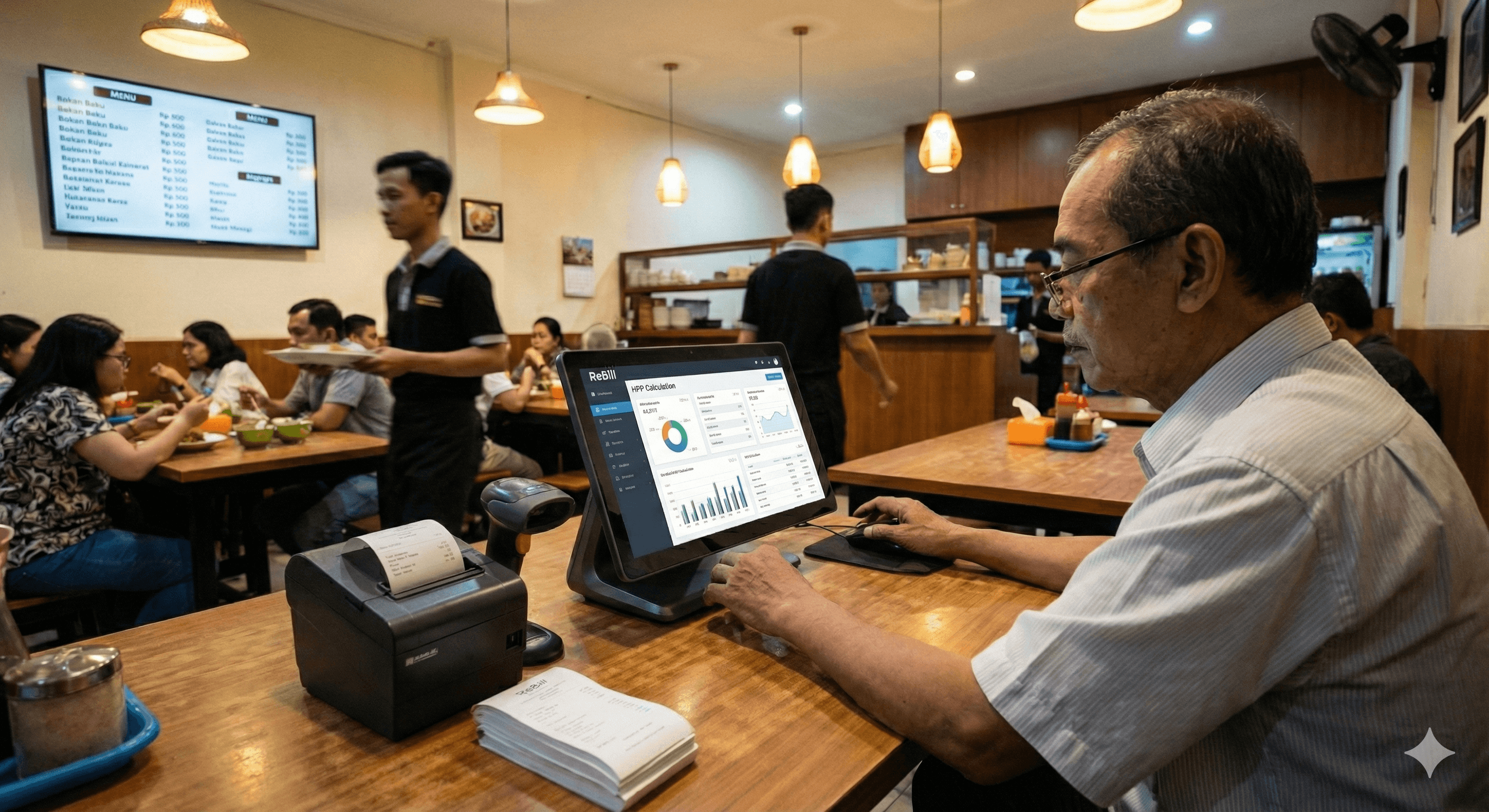
Introducing ReBill POS, a real-time online cashier application specifically designed to solve your COGS and inventory problems. Unlike traditional cash registers, ReBill is not just a payment tool—it is an automatic COGS calculation application.
---
ReBill Features You Must Try:
*Read Also: Best Cashier Application 2025: 10+ Recommended Android POS Systems*
Recipe Management:
You only need to input raw materials once. ReBill acts as an advanced recipe management software. When the cashier sells 1 Palm Sugar Milk Coffee, the system automatically deducts 150ml of milk and 18g of coffee from inventory. Accurate!
Real-Time Profit Reports:
Forget complicated manual café financial report examples. ReBill provides automatic profit and loss reports. You can calculate profit per product instantly.
Cloud & Multi-Outlet:
Have multiple branches? ReBill’s multi-branch POS system allows remote business monitoring. Data is securely stored in the cloud (cloud POS vs offline—cloud clearly wins in data security).
Full Warehouse Control:
ReBill’s café inventory management feature simplifies automatic store bookkeeping. You can view item in/out history as if carrying a digital stock card in your pocket.
---
Conclusion: Small Investment, Big Impact

*Read Also: Digital Inventory Management for Restaurants & Coffee Shops — Save Costs Up to 30%*
Switching to a digital system is the easiest way to secure your profits. The advantage of using a cashier application like ReBill is peace of mind.
No need to buy expensive equipment. ReBill is a flexible Android cashier application that runs on standard tablets, making it an affordable and complete Android POS package or a cost-efficient cashier tablet option.
Don’t wait until you start losing money. Use an integrated inventory management and cashier application that truly cares about your business growth.
Want Automatic COGS Calculation & Accurate Inventory at All Times? Don’t let your business leak silently. Use ReBill POS—the restaurant cashier application and SME cashier program that truly understands owner needs.
👉 https://rebill-pos.com/ — affordable, efficient, and trusted digital cashier solution for smart Indonesian businesses.
Try it free now at https://dashboard.rebill-pos.com/demo and experience how ReBill POS helps your business grow without limits!
Try the Free ReBill POS Demo Now at https://pos-qa.rebill-pos.com/owner/home and feel the difference yourself. If you’re ready and want ReBill in your business, you can contact ReBill POS at https://api.whatsapp.com/send/?phone=%2B6281224464422&text&type=phone_number&app_absent=0.